Calendale, from Saint Barbara's Day to Candlemas
Saint Barbara's wheat, the gros souper, the santons and the navettes: the long Christmas cycle in Provence, from 4 December to 2 February.
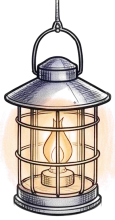
In Provence, Christmas does not last a day but two months. This cycle is called Calendale, from the Provençal Calendo, Christmas. It begins on 4 December and ends on 2 February.
4 December: Saint Barbara’s wheat
On Saint Barbara’s Day, wheat or lentils are sown in three saucers lined with damp cotton wool. They are watered and kept warm. If the shoots are green and straight by Christmas, the year will be a good one. The saucers, often tied with a ribbon, then join the crib.
The crib and the santons
At the beginning of December the crib and its santons are set up. The village fills up little by little; the infant Jesus is only placed in it on Christmas night. It is also the season of the pastorales, popular plays in Provençal that tell the Nativity story with the characters of the village.
24 December: the gros souper
On the evening of the 24th, the table is laid with three tablecloths and three candles. The gros souper is a lean meal: vegetables, fish, snails depending on the area. Before sitting down, some families celebrate the cacho-fiò: the oldest and the youngest member carry a log from a fruit tree to the hearth together and bless it before lighting it. The meal ends with the thirteen desserts, followed by midnight mass.
6 January: Epiphany
At Epiphany, Provence eats the gâteau des rois: a brioche ring flavoured with orange-flower water and topped with candied fruit, with its hidden charm.
2 February: Candlemas
Candlemas, forty days after Christmas, closes Calendale. In Marseille a procession climbs to the Abbey of Saint-Victor, and people buy navettes, small boat-shaped biscuits flavoured with orange-flower water. In many homes this is the day the crib is put away until the following year.
Sources
- Les traditions calendales — Provence-Alpes-Côte d'Azur Tourisme
- Calendale — Wikipédia