Transhumance, from the plains to the summer pastures
At the start of summer, flocks leave the scorched plains for the high pastures. In Saint-Rémy-de-Provence their passage is celebrated on Whit Monday.
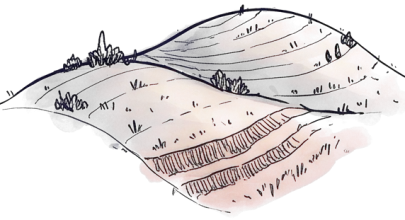
When the grass on the plains turns yellow in the heat, shepherds take their flocks up to the mountains, where the pastures stay green all summer. This is transhumance: a seasonal move practised in Provence for centuries.
The great departure
The sheep of the Crau plain and the Alpilles, often of the Merino d’Arles breed, go up to the summer pastures of the southern Alps in June. They stay there all summer in the care of shepherds and their dogs, then come back down in autumn, in September or October.
In the past the whole journey was made on foot, over one to two weeks, along wide paths reserved for flocks, the drailles. Today most flocks travel by lorry, but some shepherds still walk all or part of the way.
The Saint-Rémy festival
Every year on Whit Monday, Saint-Rémy-de-Provence celebrates transhumance. Several thousand sheep cross the town, along with goats, donkeys and sheepdogs, to the sound of their bells. The leaders, rams or billy goats, wear big bells; the shepherds are in working clothes. Arrive early to find a spot along the boulevard.
The bells
Flock bells are not just for the festival: they let the shepherd know where the animals are, even in fog or at night. Each one sounds different, and a good shepherd recognises his leaders by ear.
On the Sault plateau
The Sault plateau and Mont Ventoux are grazing land too, and you may meet flocks there in summer. If you come across one on a path, stop, keep your dog on a lead and let it pass: the patous, those big white dogs, guard the sheep and do not like people coming close.
Sources
- Fête de la Transhumance de Saint-Rémy-de-Provence — Office de tourisme de Saint-Rémy-de-Provence
- Transhumance — Wikipédia